One audio file in. A live release out.
Hand it a finished track and it comes back with the cover art, the visualizer video, and the release live on Spotify and the rest of the stores. Run it as an artist, as a label, or over a whole catalog you manage.
One payment, no subscription. The journal that documents the whole line is included, and also sold on its own.
A track you recorded, or one you made with Suno. From that single file the line builds the cover, measures the tempo and the drop, draws the visualizer on top of that cover right in your browser, and walks the whole release through the distributor onto every store. Getting a release live is what opens the stores, and the stores are where the money is.
The video engine runs on your machine, which is why the same code draws the preview and writes the final file. What you approve is what you get, frame for frame, and every render after the first one is free.
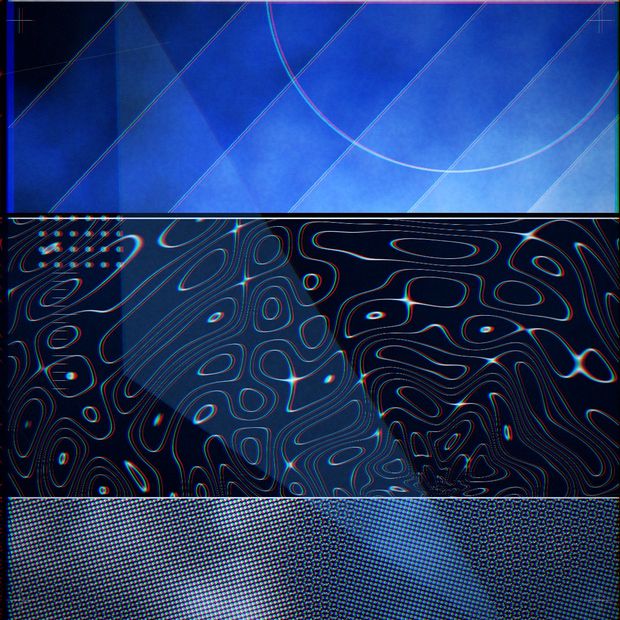

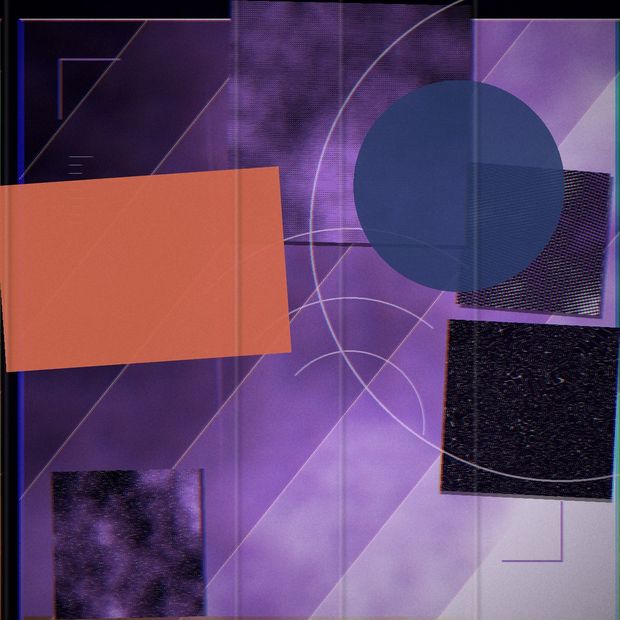

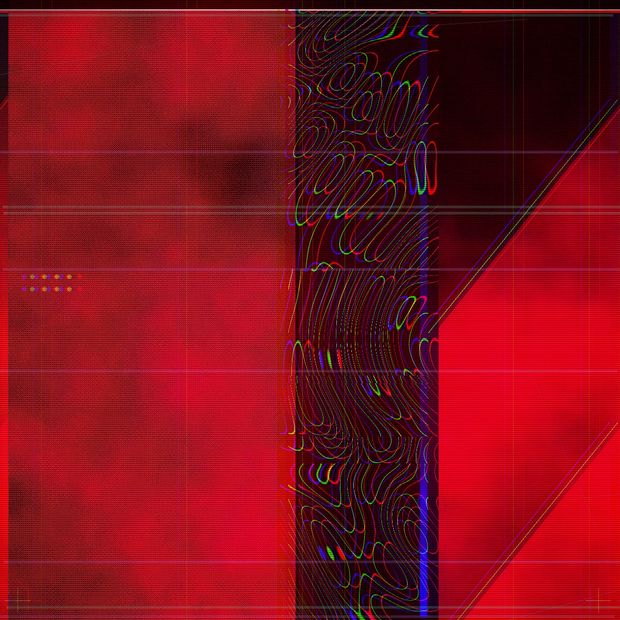

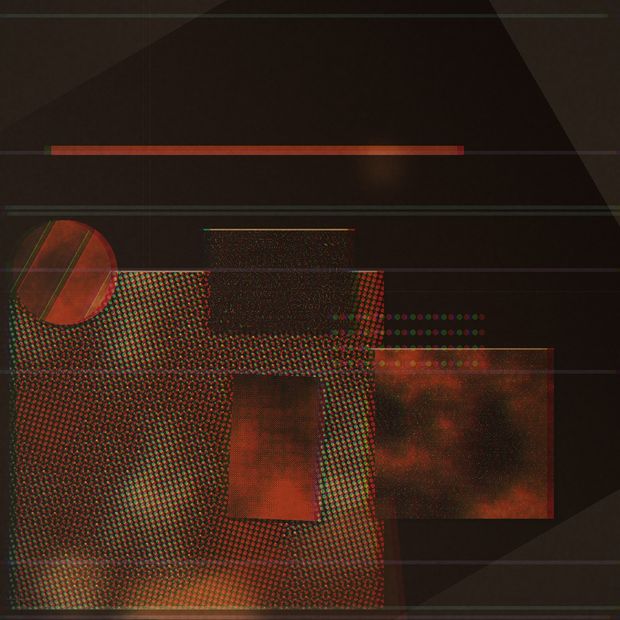
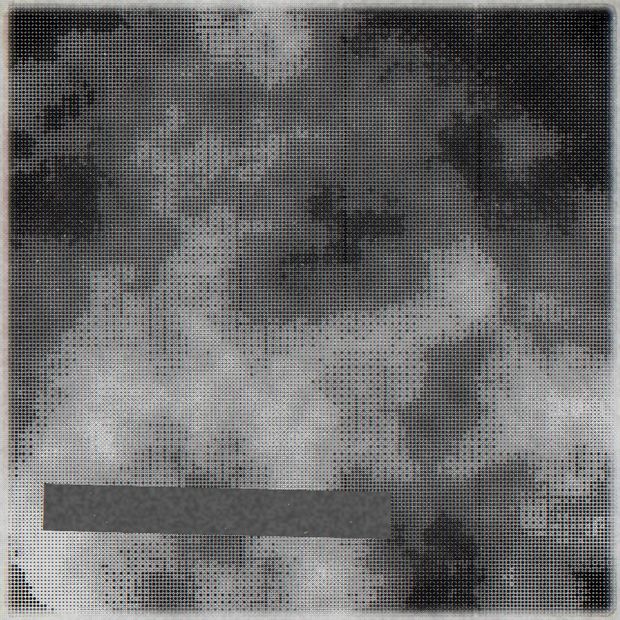
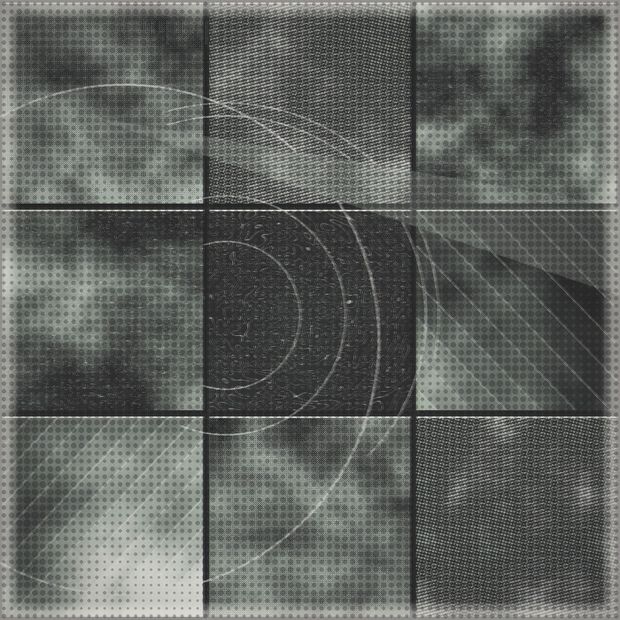

Ten covers for ten upcoming releases, and no two were made the same way. Each one takes a different art family or collage structure, a different studio finish, and a different print filter: a printer's screen, banknote engraving, survey contours, two-ink dithering, split glass, and collages that divide the frame five different ways. Only the title and the logo are missing, so you see what the engine does. No stock, no image model, no fee per image, and the same seed redraws any of them at any size.
One unreleased track from Higher Vision Music, our own label, carried the whole way. The cover on the left was written by code from the title. The video is built on that cover, with the tempo and the drop measured off the audio so the motion lands where the track lands. The vertical on the right is drawn at its own size rather than cropped out of the wide one, and it opens at the measured drop instead of the intro, because nobody judges a music video on its first eight seconds. Three files off one audio file, with nobody opening a design tool.
Palette, fonts, logo and vocabulary. Every engine downstream reads it.
IdentityA name, a palette, a vocabulary. Configured once, read by every engine after it.
We build a System by running it on a project of our own until it works, and only then packaging it. This one runs Higher Vision Music, our label. The covers, the videos and the releases on the stores all came out of this line, and every rule in the box is there because we got it wrong once first.
Go listen to it before you decide anything.
The engines are also sold on their own: Cover Studio, Viz Studio and Lyric Studio each stand alone.
The line starts at a finished track, so the box comes with the material that gets you one: five hundred prompts written and used by our own label, covering ten genres, built for Suno and working on the other generators too. Every prompt is tagged for vocals or instrumental, which is the same fork the line takes later: instrumental goes to the visualizer, vocal goes to the lyric video.
Lo-fi hip hop, trap, cinematic, electronic, pop, ambient, R&B, rock, jazz and world. Generating the audio happens on your own generator account, which you run and pay for.
The same line swaps the visualizer for a lyric video: every line timed to the vocal, rendered on the same cover. It is the piece that makes a vocal persona look like an artist with a catalog, and it is one setting away. Instrumental releases stay on the visualizer and skip this entirely.
Posting the release across social and the video platforms is the Social System, and the two connect cleanly: this box sets the release date, that one works the audience around it. Selling beats and sample packs is a different business with a different buyer, and it belongs to the Store System. Both are sold separately, on purpose, so each box stays one sentence long.
You approve the cover. The label does the rest.
One payment, and the whole line is yours for life: the three studios complete, the Spotify manager that reads your real numbers and runs your playlists, the browser thread that drives your distributor, three months of Webloom Pro, the workflow your AI reads, the prompt library, and the journal that documents all of it.
Built and run on our own label before it reaches you. What ships is the line that already works.